Jordan Loewenstein, D.C. | La Jolla Chiropractor

\n\n
Exercise & Stretch Library

Piriformis
Stretches &
Exercises

Clinician-recommended stretches to release a tight piriformis and calm the sciatic nerve beneath it — plus the hip exercises that keep it loose, the dos & don’ts that matter, and how chiropractic care helps. From a San Diego practice that finds the cause first.

Clinician-Recommended
Eases Deep Glute Pain
UTC San Diego — Near UCSD
Release the Glute
Loosen the piriformis
Calm the Nerve
Gentle glides, not force
Wake the Hips
Strong hips stop the squeeze
Know the Red Flags
Numbness or weakness = get seen

What Helps
Piriformis Pain

The best moves for piriformis pain gently stretch the deep glute muscle and calm the sciatic nerve beneath it — the figure-4, pigeon, and knee-to-opposite-shoulder stretches, plus glute and hip strengthening. Most piriformis pain eases with stretching and movement. If you have leg weakness, numbness, or pain that followed an injury, get evaluated.

Deep
glute pain that can mimic sciatica is the classic sign
#1
prolonged sitting is the most common aggravator
4–6
weeks for most piriformis pain to settle with consistent care
Most
cases are managed without surgery

The piriformis is a small, deep muscle in the buttock that rotates the hip. The sciatic nerve runs right beneath it, so when the piriformis gets tight or irritated it can press on the nerve and create a deep ache in the glute that sometimes travels down the leg — a lot like sciatica.

Most piriformis pain is a tightness-and-weakness problem, often driven by long hours of sitting and weak hip muscles. The fix is to gently stretch the piriformis and calm the nerve, then strengthen the hips so the muscle isn’t overworking.

Move gently and watch your leg symptoms. Stretches should ease, not increase, any pain or tingling down the leg. If a movement sends symptoms further down, or you feel weakness, ease off and read the safety section below. This page is a starting point, not a diagnosis.

Stretch and Calm
Gentle glute stretches plus easy nerve glides settle an irritated piriformis better than aggressive stretching.
Break Up Sitting
Sitting compresses the piriformis and the nerve under it. Stand and move every 20–30 minutes.
Strengthen the Hips
Weak glutes make the piriformis overwork. Strengthening the hips is the lasting fix.

Recommended
Stretches

Gentle stretches to release the deep glute and calm the nerve beneath it. Ease in, breathe, and stop if symptoms travel further down the leg. Tap any card to watch a demo.
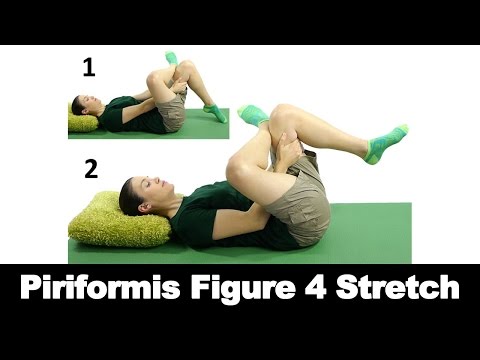
Figure-4 Piriformis Stretch demonstrationWatch demo
01
Figure-4 Piriformis Stretch
On your back, cross the affected ankle over the opposite knee and pull the lower thigh toward you. The go-to piriformis stretch.
Hold 20–30s · 2–3x each side
Knee to Opposite Shoulder demonstrationWatch demo
02
Knee to Opposite Shoulder
On your back, draw the bent knee across toward the opposite shoulder until you feel a deep stretch in the glute. A second angle for the piriformis.
Hold 20–30s · 2x each side
Pigeon Stretch demonstrationWatch demo
03
Pigeon Stretch
From all fours, bring one shin forward and ease the hips toward the floor. A deeper opener for a stubborn piriformis.
Hold 20–30s · 2x each side
Single Knee-to-Chest demonstrationWatch demo
04
Single Knee-to-Chest
Gently draw one knee to your chest to ease the glute and lower back between the deeper stretches.
Hold 20–30s · 2x each side
Sciatic Nerve Glide demonstrationWatch demo
05
Sciatic Nerve Glide
Seated, gently straighten the leg and flex the ankle, then release. Flosses the nerve the piriformis can irritate — never into pain.
10–15 gentle glides
Piriformis Follow-Along demonstrationFollow along
06
Piriformis Follow-Along
Follow this guided piriformis routine through the key stretches in one sequence — a great daily reset.
Guided · once daily

Recommended
Exercises

Strengthening the glutes and outer hip is what stops the piriformis overworking. Add these once the sharp pain has begun to settle.

Glute Bridge demonstrationWatch demo
01
Glute Bridge
On your back, squeeze your glutes and lift your hips. Strong glutes take the load off the overworked piriformis.
Hold 3–5s · 10–12 reps
Clamshell demonstrationWatch demo
02
Clamshell
On your side, knees bent, lift the top knee keeping feet together. Builds the side-glute that supports the hip.
10–15 reps each side
Side-Lying Hip Abduction demonstrationWatch demo
03
Side-Lying Hip Abduction
On your side, lift the top leg straight up with control. Strengthens the outer hip that shares the piriformis’s job.
10–15 reps each side
Bird-Dog demonstrationWatch demo
04
Bird-Dog
On hands and knees, extend the opposite arm and leg, holding the pelvis steady. Core and glute control that protects the area.
8–10 reps each side
Standing Hip Extension demonstrationWatch demo
05
Standing Hip Extension
Holding support, kick one leg straight back, squeezing the glute. Trains the glutes to fire instead of the piriformis.
10–12 reps each side
Dead Bug demonstrationWatch demo
06
Dead Bug
On your back, lower the opposite arm and leg with the low back pressed down. Gentle core work that’s easy on the hip and nerve.
8–10 reps each side
Deep glute pain that won’t let up?
Book an Exam in San Diego

Dos &
Don’ts

Piriformis pain calms with gentle stretching and stronger hips. These help — and these keep it fired up.

Do
Stretch the piriformis gently and regularly.
Strengthen your glutes — it stops the piriformis overworking.
Stand and move every 20–30 minutes if you sit a lot.
Use heat to relax the glute before stretching.
Favor moves that ease symptoms, not push them down the leg.
Stay consistent — the piriformis calms over weeks.
Don’t
Force a stretch that increases pain down the leg.
Sit for long stretches, especially on a wallet or hard edge.
Do heavy lifting or deep squats during a flare.
Bounce or over-stretch the glute.
Rely on stretching alone while ignoring the glutes.
Ignore leg numbness or weakness — get it checked.

How Chiropractic
Helps Piriformis Pain

Deep glute pain can come from the piriformis, the SI joint, or the lower back. A proper exam tells which — so treatment actually lands.

01
Find the Cause
An exam distinguishes a tight piriformis from SI joint or disc-related pain that can feel the same.
02
Release the Muscle
Soft-tissue work and Active Release Technique calm the tight, irritated piriformis directly.
03
Calm the Nerve
Nerve mobilization and gentle adjustment reduce the irritation on the sciatic nerve beneath it.
04
Rebuild Hip Strength
You leave with the glute and hip program that keeps the piriformis from overworking again.
What the research says
Piriformis-related pain typically responds well to stretching, nerve mobilization, and hip strengthening, with most cases managed without surgery. Combining hands-on soft-tissue work with a targeted exercise plan helps settle the muscle and the nerve it irritates.

When to See
a Professional

Most piriformis pain settles with gentle, active care. But some signs mean you should be evaluated rather than stretch through it. See a professional promptly if you have:

Progressive weakness or foot drop in the leg
Numbness in the groin or saddle area
Pain that began after a fall or direct injury
Symptoms in both legs
No improvement after about two weeks of self-care
Pain that keeps worsening or stops you sleeping
Seek emergency care for any loss of bladder or bowel control, or numbness in the saddle/groin area.

Questions About
Piriformis Pain

The questions patients ask most — answered directly.

What is the best stretch for piriformis pain?

The figure-4 stretch is the most effective starting point, with the knee-to-opposite-shoulder stretch and pigeon as great additions. They target the deep glute muscle directly. Stretch gently and stop if a movement increases pain or tingling down the leg.

How is piriformis syndrome different from sciatica?

They feel similar because the piriformis sits right over the sciatic nerve. Piriformis pain is centered in the deep glute and is often triggered by sitting, while true sciatica usually starts in the lower back from a disc. A proper exam tells them apart.

Should I stretch or rest a tight piriformis?

Gentle stretching and movement are usually better than rest. Easy glute stretches, nerve glides, and walking help calm the muscle and nerve. Avoid prolonged sitting and any stretch that pushes pain down the leg.

Why does my piriformis keep flaring up?

Usually it’s prolonged sitting plus weak hip muscles. When the glutes are weak, the piriformis overworks and stays irritated. Strengthening the hips and breaking up sitting is what keeps it from coming back.

How long does piriformis syndrome last?

Most piriformis pain settles within 4 to 6 weeks of consistent stretching, nerve glides, and hip strengthening. If it isn’t improving, gets worse, or you notice numbness or weakness, an evaluation helps confirm the cause.

Can a chiropractor help with piriformis pain?

Yes. A chiropractor can confirm the piriformis is the source, release it with soft-tissue work, mobilize the hip and lower back, and guide nerve glides and hip strengthening. Dr. Loewenstein performs a thorough orthopedic and neurological exam on the first visit at the UTC San Diego clinic.

Release That
Deep Ache

These stretches are a great start. For a plan matched to what’s irritating your piriformis and nerve, book an exam — treatment starts on visit one.

5151 Shoreham Place, Suite 175 · UTC San Diego, CA 92122 · Near UCSD
This page is general educational information and is not a substitute for a professional diagnosis or individualized medical advice. Stop any stretch that sends pain or tingling further down your leg. If you have leg weakness, numbness, or any of the warning signs above, consult a qualified healthcare provider before starting these stretches.