Jordan Loewenstein, D.C. | La Jolla Chiropractor

\n\n
Exercise & Stretch Library

Elbow Pain
Stretches &
Exercises

Clinician-recommended stretches and strengthening for tennis elbow and golfer’s elbow — load the tendon back to health, plus the dos & don’ts that matter and how chiropractic care helps. From a San Diego practice that finds the cause first.

Clinician-Recommended
Tennis & Golfer’s Elbow
UTC San Diego — Near UCSD
Stretch the Forearm
Loosen the overworked tendons
Load to Heal
Gentle strengthening rebuilds the tendon
Ease the Grip
Calm the irritated attachment
Know the Red Flags
Numbness or locking = get seen

What Helps
Elbow Pain

The best moves for tennis or golfer’s elbow gently stretch the forearm, then strengthen the tendon with slow, controlled wrist exercises — extensor and flexor stretches plus eccentric wrist curls and grip work. Tendons heal with gradual loading, not rest alone. If you have numbness, locking, or pain after a fall, get evaluated.

Overuse
of the forearm tendons causes most elbow pain
#1
slow, controlled strengthening is what heals the tendon
6–12
weeks of consistent loading for many tendon cases
Most
tennis and golfer’s elbow improves without surgery

Most elbow pain is tendon overuse — tennis elbow on the outside, golfer’s elbow on the inside. Repetitive gripping, lifting, typing, or racket and club sports overload where the forearm muscles attach at the elbow, and the tendon becomes irritated and sore.

The key insight is that tendons heal with gradual loading, not rest. Resting calms the pain briefly, but the tendon stays weak and flares again. So the plan is to stretch the tight forearm first, then strengthen the tendon with slow, controlled wrist exercises.

Expect a little discomfort with strengthening — that’s normal for tendons — but it should settle quickly and not sharply worsen. If you have numbness, the elbow locks or catches, or pain followed an injury, ease off and read the safety section below. This page is a starting point, not a diagnosis.

Load It to Heal
Tendons get stronger with gradual, controlled loading. Gentle resistance is the medicine, not rest.
Slow and Controlled
Lower the weight slowly on each rep — the slow lowering is what rebuilds the tendon.
Ease the Grip Load
Lighten your grip on tools, mouse, and bags, and take breaks from the aggravating activity.

Recommended
Stretches

Start by stretching and mobilizing the overworked forearm. Keep these gentle — they prepare the tendon for the strengthening that does the healing. Tap any card to watch a demo.

Tennis & Golfer’s Elbow Stretches demonstrationFollow along
01
Tennis & Golfer’s Elbow Stretches
Guided stretches for both the outer (tennis) and inner (golfer’s) forearm tendons. The place to start before loading.
Guided · 2–3x daily
Wrist Flexor Stretch demonstrationWatch demo
02
Wrist Flexor Stretch
Arm out, palm up, gently pull the fingers back and down to stretch the inner forearm (golfer’s elbow side).
Hold 20–30s · 2–3x
Prayer Stretch demonstrationWatch demo
03
Prayer Stretch
Palms together in front of your chest, lower the hands until you feel a stretch across the wrists and forearms.
Hold 20–30s · 2–3x
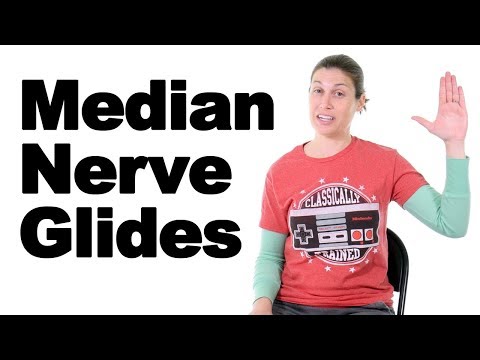
Median Nerve Glide demonstrationWatch demo
04
Median Nerve Glide
Gently floss the nerve by extending the wrist and fingers, then making a soft fist and bending the wrist. Eases nerve irritation that can accompany elbow pain. Never into pain.
10–15 gentle glides
Wrist Flexion & Extension ROM demonstrationWatch demo
05
Wrist Flexion & Extension ROM
Move the wrist gently up and down through its full range to keep the forearm and elbow loose.
8–10 reps each way
Wrist Supination & Pronation demonstrationWatch demo
06
Wrist Supination & Pronation
Elbow at your side, slowly turn the palm up and down to mobilize the forearm that loads the elbow.
10–12 reps each way

Recommended
Exercises

This is where elbow tendons actually heal. Use light weight, lower slowly, and progress gradually — a little tendon discomfort is normal, sharp pain is not.
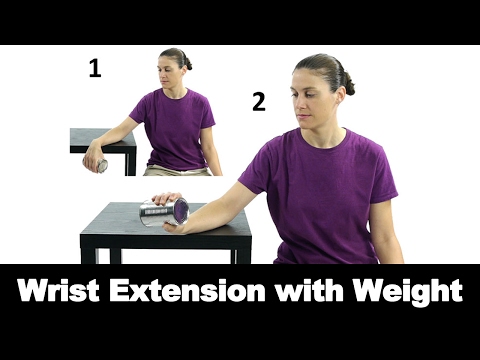
Reverse Wrist Curls demonstrationWatch demo
01
Reverse Wrist Curls
Forearm supported, palm down, lift a light weight and lower it slowly. The slow lowering is the key exercise for tennis elbow.
10–15 reps · 2–3 sets
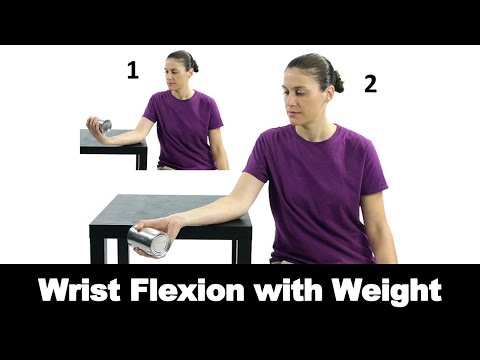
Wrist Curls demonstrationWatch demo
02
Wrist Curls
Forearm supported, palm up, curl a light weight and lower slowly. Strengthens the inner-elbow (golfer’s) tendon.
10–15 reps · 2–3 sets
Supination & Pronation (Weight) demonstrationWatch demo
03
Supination & Pronation (Weight)
Slowly rotate a light weight or hammer palm up and down. Strengthens the forearm rotation that loads the elbow.
10–12 reps each way
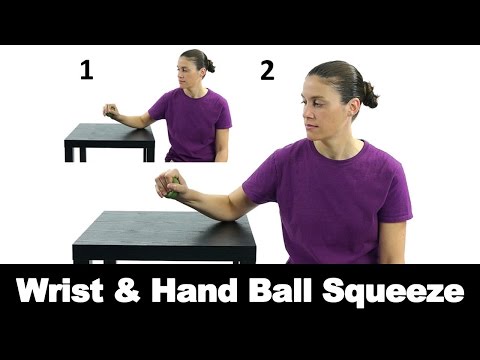
Ball Squeeze demonstrationWatch demo
04
Ball Squeeze
Squeeze a soft ball and hold, then release. Builds the grip strength that protects the elbow tendons.
Hold 5s · 10–15 reps
Tennis Elbow Routine demonstrationFollow along
05
Tennis Elbow Routine
Follow this guided tennis elbow routine through the key strengthening in order — a great progression as you improve.
Guided · 3–4x weekly
Golfer’s Elbow Routine demonstrationFollow along
06
Golfer’s Elbow Routine
Follow this guided golfer’s elbow routine for the inner-elbow strengthening, in order.
Guided · 3–4x weekly
Elbow pain not healing with rest?
Book an Exam in San Diego

Dos &
Don’ts

Elbow tendons heal with gradual loading, not rest. These habits rebuild them — and these keep them irritated.

Do
Strengthen the tendon with slow, controlled wrist exercises.
Lower the weight slowly on each rep — that’s the healing part.
Lighten your grip on tools, mouse, and bags.
Warm up and stretch the forearm before activity.
Expect mild tendon discomfort with loading; it should settle quickly.
Stay consistent — tendons rebuild over weeks, not days.
Don’t
Rest completely and hope it heals — tendons need gentle loading.
Power through sharp, worsening pain.
Return to heavy gripping or racket/club sports too soon.
Grip everything tightly all day.
Rely on a brace alone without strengthening.
Ignore numbness, locking, or catching in the elbow — get it checked.

How Chiropractic
Helps Elbow Pain

Elbow pain ties into the wrist, the grip, and even the neck. A proper exam confirms the tendon is the source and rules out the rest.

01
Find the Cause
An exam confirms tennis vs golfer’s elbow and rules out nerve or joint involvement from the wrist or neck.
02
Restore Motion
Mobilization of the elbow and wrist frees up the stiff, guarded movement around the tendon.
03
Release Tension
Soft-tissue work and Active Release Technique calm the tight, overworked forearm muscles.
04
Rebuild the Tendon
You leave with the graded loading program that actually heals the tendon and restores grip strength.
What the research says
Tennis and golfer’s elbow respond best to progressive loading exercise, with slow, controlled strengthening shown to outperform rest for lasting recovery. Combining hands-on care with a graded strengthening program helps settle the tendon and restore grip strength.

When to See
a Professional

Most elbow pain is tendon overuse and responds well to loading. But some signs mean you should be evaluated. See a professional promptly if you have:

Numbness or tingling into the hand or fingers
The elbow locking, catching, or giving way
Elbow pain after a fall or direct injury
Significant swelling, redness, or warmth
Weakness lifting or gripping that keeps worsening
No improvement after several weeks of consistent loading
Seek prompt care for elbow pain with deformity after a fall, or a hot, swollen elbow with fever.

Questions About
Elbow Pain

The questions patients ask most — answered directly.

What is the best exercise for tennis elbow?

Slow, controlled reverse wrist curls (eccentric wrist extension) are the most effective exercise for tennis elbow because the slow lowering rebuilds the irritated tendon. Stretch the forearm first, then load gradually. Expect mild discomfort that settles quickly.

Should I rest or exercise tennis or golfer’s elbow?

Gentle loading beats rest. Tendons heal with gradual, controlled strengthening — resting calms the pain but leaves the tendon weak and prone to flaring. Ease off the aggravating activity, but keep loading the tendon with the right exercises.

What is the difference between tennis and golfer’s elbow?

Tennis elbow is tendon pain on the outside of the elbow (wrist extensors); golfer’s elbow is on the inside (wrist flexors). The approach is the same — stretch then strengthen — but the exercises target opposite sides of the forearm.

How long does tennis or golfer’s elbow take to heal?

Tendon recovery is slower than muscle. Many cases improve over 6 to 12 weeks of consistent loading, and it’s normal for progress to feel gradual. If it isn’t improving or you have numbness or locking, get evaluated.

Will a brace fix my elbow?

A counterforce brace can reduce pain during activity, but it doesn’t heal the tendon on its own. Lasting recovery comes from progressive strengthening. Use a brace as a short-term aid alongside the exercises, not instead of them.

Can a chiropractor help with elbow pain?

Yes. A chiropractor can confirm the diagnosis, release the tight forearm muscles, mobilize the elbow and wrist, and guide the graded strengthening that heals the tendon. Dr. Loewenstein performs a thorough exam on the first visit at the UTC San Diego clinic.

Heal the Tendon
for Good

These exercises are a great start. For a graded plan matched to your tennis or golfer’s elbow, book an exam — treatment starts on visit one.

5151 Shoreham Place, Suite 175 · UTC San Diego, CA 92122 · Near UCSD
This page is general educational information and is not a substitute for a professional diagnosis or individualized medical advice. Mild tendon discomfort with loading is normal, but stop anything that sharply worsens. If you have numbness, a locking elbow, or pain after an injury, consult a qualified healthcare provider before starting these exercises.