Jordan Loewenstein, D.C. | La Jolla Chiropractor
Wrist Pain
Stretches &
Exercises
Clinician-recommended stretches, nerve glides, and strengthening to relieve wrist pain from typing, carpal tunnel, and overuse — plus the dos & don’ts that matter and how chiropractic care helps. From a San Diego practice that finds the cause first.
What Helps
Wrist Pain
The best moves for wrist pain gently stretch the forearm muscles, glide the median nerve, then strengthen the wrist — flexor and extensor stretches and nerve glides, plus wrist curls and grip work. Most wrist pain from typing or overuse eases with these. If you have constant numbness, hand weakness, or pain after a fall, get evaluated.
Most wrist pain comes from overuse and posture — long hours typing, gripping, or scrolling that overwork the forearm muscles and irritate the tendons and nerves crossing the wrist. Carpal tunnel symptoms, tendinitis, and general achiness usually have a mechanical, treatable cause.
The approach has three parts: stretch the tight forearm muscles, glide the median nerve gently, then strengthen the wrist so it tolerates daily use. Done consistently, this settles most overuse wrist pain and the tingling that can come with it.
Keep everything gentle — nerve glides especially should feel like easy flossing, never a hard stretch. If you have constant numbness, hand weakness, or pain after an injury, ease off and read the safety section below. This page is a starting point, not a diagnosis.
Recommended
Stretches
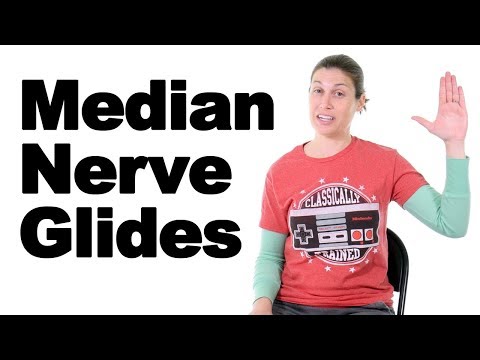
Gentle forearm stretches and nerve glides to ease an overworked, irritated wrist. Keep the nerve glides especially light. Tap any card to watch a demo.
 Watch demo
 Watch demo
 Watch demo
 Watch demo
 Watch demo
 Follow along
Recommended
Exercises
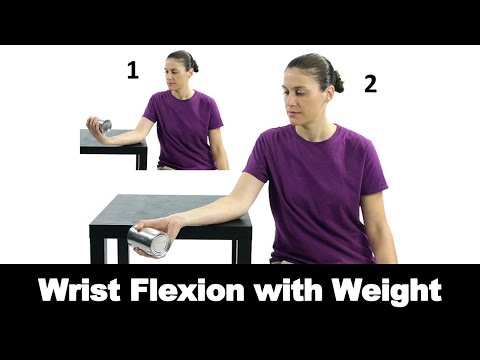
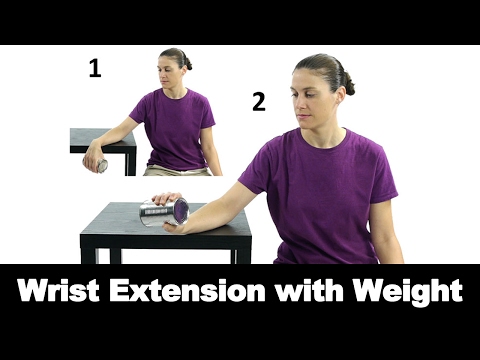
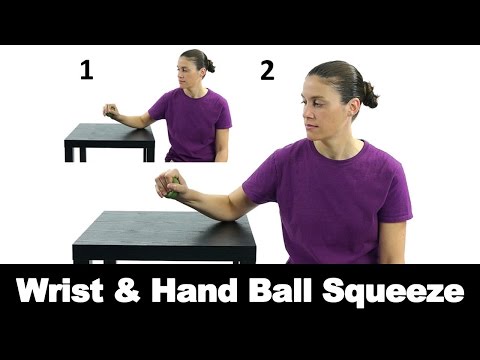
Strengthening the wrist and grip is what lets the joint tolerate daily use again. Use light weight and build up gradually once the sharp pain settles.
 Watch demo
 Watch demo
 Watch demo
 Watch demo
 Watch demo
 Watch demo
Dos &
Don’ts
Wrists recover with gentle mobility, a smart setup, and gradual strengthening. These help — and these keep them irritated.
How Chiropractic
Helps Wrist Pain
Wrist pain can come from the wrist itself or from the nerves higher up in the elbow and neck. A proper exam tells which — so treatment lands.
When to See
a Professional
Most wrist pain is from overuse and responds well to these exercises. But some signs mean you should be evaluated. See a professional promptly if you have:
Questions About
Wrist Pain
The questions patients ask most — answered directly.
It depends on the cause, but gentle forearm stretches and median nerve glides are the safest starting points, followed by light wrist and grip strengthening. For carpal-tunnel-type symptoms, nerve glides are especially helpful. Keep everything gentle and pain-free.
Yes, for many people. Median nerve glides, tendon glides, and forearm stretches can ease mild to moderate carpal tunnel symptoms and are recommended before surgery. If numbness is constant or the hand is getting weak, get evaluated.
Relative rest from the aggravating activity helps, but gentle movement and stretching are better than complete immobility. Keep the wrist moving within a comfortable range, glide the nerve, and avoid the specific tasks that sharply hurt.
Typing with a bent wrist for hours overworks the forearm muscles and tendons and can compress the median nerve. A neutral wrist position, frequent breaks, and forearm stretches usually settle it.
Most overuse wrist pain improves over a few weeks with stretching, nerve glides, and activity changes. If your symptoms are constant, include numbness or weakness, or followed an injury, an evaluation helps confirm the cause.
Yes. A chiropractor can assess the wrist along with the elbow and neck that affect it, mobilize restricted joints, release tight forearm muscles, and guide nerve glides and strengthening. Dr. Loewenstein performs a thorough exam on the first visit at the UTC San Diego clinic.
Type and Grip
Pain Free
These exercises are a great start. For a plan matched to what’s irritating your wrist, book an exam — treatment starts on visit one.