Jordan Loewenstein, D.C. | La Jolla Chiropractor
Wrist & Hand Pain
By Location
Pick the part of your wrist that hurts. You’ll get the conditions that actually live there, the clues that tell them apart, and the specific stretches and exercises for each one.
Where Does It
Actually Hurt?
Wrist pain sorts out well by location because the wrist is small and crowded. Thumb-side pain is a different problem from pinky-side pain, and numbness in the hand is a different problem again. Pick your spot below, read the clues, then open the program that matches.
Two questions matter more than anything else here. Did you fall on an outstretched hand? If so, two commonly missed fractures need ruling out before anything else. And which fingers go numb? The thumb, index and middle fingers point to one nerve, the little finger to another, and the whole hand or above the wrist points to your neck.
Pick Your
Sore Spot
Pick the spot on your wrist that hurts. You’ll get the conditions that live there, the clues that tell them apart, and the stretches and exercises for each one.
The Thumb Side
The thumb side of the wrist is where the most recognizable wrist problem lives. It is also where the most commonly missed fracture in the body hides, so the question of whether you fell on your hand matters here more than anywhere else on this page.
Narrow It Down
Two questions sort most of this: did you fall on it, and how far above the thumb does it hurt?
- Making a fist with the thumb tucked inside, then bending the wrist toward the pinky, is sharply painful
- You are a new parent, or you recently ramped up lifting or a new job task
- Wringing a towel, lifting a kettle or turning a key all set it off
- There may be visible swelling or a thickened band along the tendon
- 01Wrist Flexor StretchHold 30s · 3x
- 02Prayer StretchHold 30s · 3x
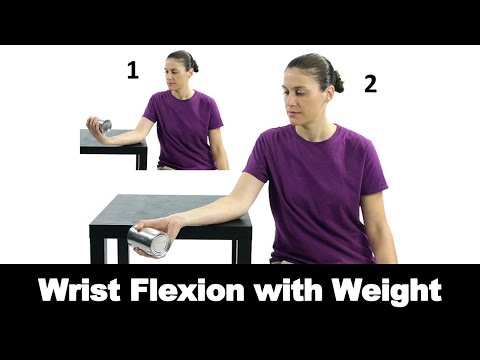
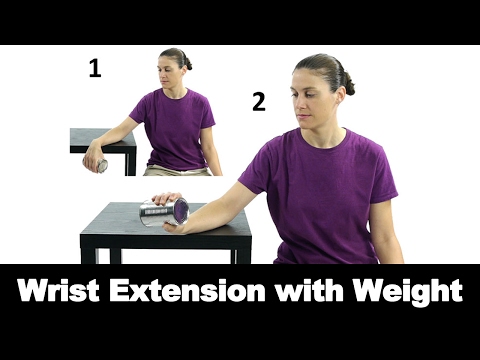
- 03Wrist Flexion & Extension2 sets of 10 each way
- 01Radial Deviation2 sets of 15
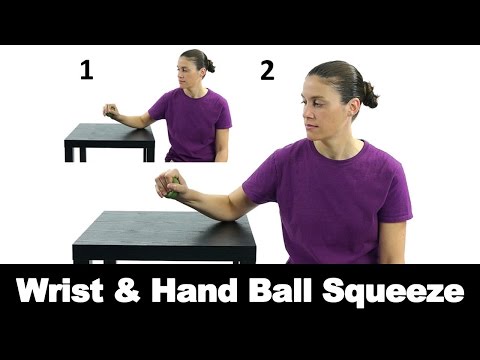
- 02Ball Squeeze3 sets of 15
- 03Supination & Pronation2 sets of 12
- Wear a thumb spica splint for two to three weeks, especially at night
- Change how you lift a baby: scoop from underneath instead of gripping with the thumbs out
- Start loading it gradually once the sharp phase settles. Tendons need work, not permanent rest
- Keep gripping, wringing and lifting through it. This one does not train through
- Keep re-testing it with the thumb-tuck move to see if it still hurts
- Expect two weeks. Six to twelve is realistic
- Past about 50, and more common in women
- Pinching, opening jars and turning keys are the worst tasks
- The base of the thumb may look squared off or bumpy
- Grip and pinch strength are noticeably dropping
- 01Prayer StretchHold 30s · 3x
- 02Wrist Flexion & Extension2 sets of 10 each way
- 03Supination & Pronation2 sets of 12
- 01Ball Squeeze3 sets of 15
- 02Towel Squeeze3 sets of 10 · hold 5s
- 03Radial Deviation2 sets of 15
- Use built-up grips, jar openers and lever door handles. Reducing pinch load is most of the treatment
- Try a thumb spica splint at night
- Keep the hand strong. Weak hands hurt more
- Pinch-grip heavy objects. Use a whole-hand grip instead
- Stop using the hand. Disuse makes it stiffer and weaker
- Assume surgery is the only option. Most people do well with load management and strength
- The sore spot is clearly above the wrist, not down at the thumb
- You can feel or even hear a squeak or creak when you move the wrist
- Rowing, weightlifting, racquet sports or skiing preceded it
- There may be puffiness in that exact band
- 01Wrist Flexor StretchHold 30s · 3x
- 02Prayer StretchHold 30s · 3x
- 03Wrist Flexion & Extension2 sets of 10 each way
- 01Wrist Curls2 sets of 15 · light
- 02Reverse Wrist Curls2 sets of 15 · light
- 03Supination & Pronation2 sets of 12
- Back off the repetitive motion that caused it for two to three weeks
- Splint it if it is very irritable, then reload gradually
- Check your technique. Rowers usually have a grip or feathering issue behind this
- Train through the creaking
- Jump straight back to full volume once it eases
- Treat it as De Quervain’s. It sits higher up and behaves differently
- You fell onto an outstretched hand, even if it seemed minor at the time
- Pressing the hollow at the base of the thumb is tender
- It feels like an ordinary sprain, which is exactly why this one gets missed
- Early X-rays are often normal. A normal X-ray does not rule it out
- Get it imaged, and say the word scaphoid. A missed one can lose its blood supply and fail to heal
- Splint it and stop using the hand until someone has cleared it
- Ask about repeat imaging or an MRI if the first X-ray is normal but it is still tender
- Assume it is a sprain because nothing showed on the X-ray
- Wait weeks to see if it settles
- Keep loading it in the meantime
The thumb-tuck test. Tuck your thumb into your fist and bend your wrist toward the pinky side. Sharp pain along the thumb-side tendons is a strong sign of De Quervain’s. Do it once, not repeatedly.
The snuffbox check. Extend your thumb like a hitchhiker. Press the small hollow at its base. Real tenderness there after a fall means get imaged, whatever the pain level.
Measure the height. At the thumb joint means arthritis. Just above the thumb means De Quervain’s. Two or three inches up the forearm means intersection syndrome.
- Splint the thumb, not the whole hand. A thumb spica keeps the thumb quiet while leaving the fingers usable.
- Change your grip. Whole-hand grips instead of pinching. Lever handles instead of round knobs.
- Rethink the baby lift. Scoop under the arms with flat hands rather than gripping around the chest with the thumbs.
- Do not stop moving entirely. Gentle range daily, then loading once the sharp phase settles.
- Plan on six to twelve weeks. Thumb-side tendon problems are slow. Two weeks of splinting is not the whole treatment.
You fell on an outstretched hand and the hollow at the base of your thumb is tender. Get imaged even if it feels like a minor sprain, and even if an X-ray came back normal.
The Pinky Side
The pinky side of the wrist is the hardest region to self-diagnose and the one most likely to need imaging. It takes the load whenever you twist under pressure, so the story usually involves a fall, a forceful twist, or a racquet.
Narrow It Down
The useful distinction here is rotation versus compression: does it hurt more turning the forearm, or pushing through the heel of the hand?
- Turning a doorknob, using a screwdriver or pushing up out of a chair reproduces it
- Clicking or clunking on the pinky side when you rotate the forearm
- It may have started with a fall or a forceful twist, or built up in a racquet or gymnastics athlete
- A feeling of looseness or weakness when loading the wrist
- 01Wrist Flexion & Extension2 sets of 10 each way
- 02Supination & Pronation2 sets of 12
- 03Prayer StretchHold 20s · 2x
- 01Ball Squeeze3 sets of 15
- 02Weighted Rotation2 sets of 12
- 03Wrist Curls2 sets of 15 · light
- Avoid loaded rotation for three to four weeks. That means push-ups, screwdrivers and pressing out of chairs
- A wrist brace that limits rotation helps in the early phase
- Rebuild grip and forearm rotation strength slowly
- Keep testing it by twisting
- Do weight-bearing on the hands, like push-ups or planks on flat palms, early on
- Ignore persistent clunking. Some TFCC tears need imaging
- A deep ache on the pinky side that is worse with gripping and pushing
- Worse when the wrist is bent toward the pinky side under load
- Often in people whose ulna sits slightly longer than average, which shows on X-ray
- Gradual onset without a single injury
- 01Wrist Flexion & Extension2 sets of 10 each way
- 02Supination & Pronation2 sets of 12
- 01Ball Squeeze3 sets of 15
- 02Wrist Curls2 sets of 15 · light
- 03Reverse Wrist Curls2 sets of 15 · light
- Reduce loaded gripping and pushing for several weeks
- Get an X-ray. This one is largely an anatomy issue and imaging changes the conversation
- Keep the forearm and grip strong within comfort
- Do heavy deadlifts, farmer carries or push-ups on flat hands while it is irritable
- Expect stretching to fix it
- Keep guessing. This is a case where imaging genuinely helps
- Tender directly over that cord-like tendon
- A snapping or popping sensation when you rotate the forearm
- Common in tennis, golf and racquet sports
- Worse bending the wrist back and toward the pinky
- 01Wrist Flexor StretchHold 30s · 3x
- 02Wrist Flexion & Extension2 sets of 10 each way
- 03Prayer StretchHold 30s · 3x
- 01Reverse Wrist Curls2 sets of 15
- 02Supination & Pronation2 sets of 12
- 03Ball Squeeze3 sets of 15
- Rest from racquet sports for two to three weeks, then reload gradually
- Check grip size and technique. An undersized grip drives this
- Brace it if there is snapping, and get that assessed
- Play through the snapping. A subluxing tendon can need more than rehab
- Go back to full play the week it stops hurting
- Ignore swelling along the tendon
- It started with a golf club, bat or racquet striking the ground or being gripped hard
- A deep, persistent ache in the heel of the palm that is not settling
- Tenderness when pressing deeply into that spot
- Sometimes tingling in the little finger
- Get imaged, and mention the hamate specifically. Standard X-rays often miss it and a CT is usually what finds it
- Stop the aggravating sport until it is cleared
- Take a deep ache that is not improving after a few weeks seriously
- Keep golfing or batting through it
- Assume normal X-rays mean nothing is broken
- Leave it for months. Non-union is common with this one
The doorknob test. Turn a stiff doorknob or use a screwdriver. Pain and clicking on the pinky side with rotation points at the TFCC.
The push-up test. Press down through a flat palm on a table. Deep pinky-side pain under compression points more toward ulnar impaction.
The sport question. Golf, batting or racquet sports with a persistent deep ache in the heel of the palm should make you think about the hamate, which needs imaging.
- Avoid loaded rotation. Screwdrivers, doorknobs, pressing out of chairs and push-ups on flat hands.
- Try a brace that limits rotation. More useful here than a plain wrist splint.
- Push through the fist, not the palm. If you must do push-ups, use dumbbells or parallettes to keep the wrist neutral.
- Take clunking seriously. Persistent clicking with rotation is worth imaging.
- Give it four to six weeks. And get imaged if it is not clearly improving.
A deep ache in the heel of the palm after golf or batting, persistent clunking with rotation, or pain that is not improving after a few weeks. This region has two fractures that standard X-rays commonly miss.
The Palm Side and Numb Hands
This is the nerve zone. If you have numbness or tingling anywhere in the hand, start here, because which fingers are involved tells you almost everything. The thumb, index and middle fingers point one direction. The little finger points another.
Narrow It Down
Which fingers go numb? That one question separates the two nerve problems, and they need different fixes.
- It wakes you at night and you shake the hand out to relieve it
- Numbness and tingling in the thumb, index and middle fingers but not the little finger
- Worse holding a phone, a steering wheel or a book
- You may be dropping things, or the muscle at the base of the thumb looks flatter
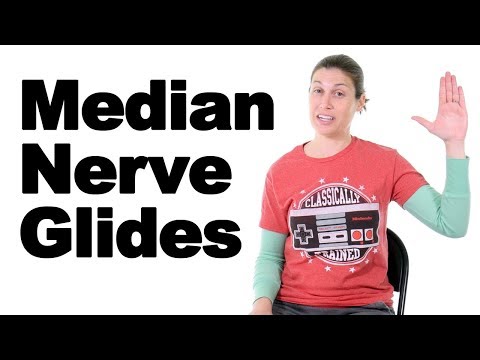
- 01Median Nerve Glide10 reps · 3x daily
- 02Prayer StretchHold 30s · 3x
- 03Wrist Flexion & Extension2 sets of 10 each way
- 01Ball Squeeze3 sets of 15
- 02Wrist Curls2 sets of 15 · light
- 03Reverse Wrist Curls2 sets of 15 · light
- Wear a neutral wrist splint at night. This is the single highest-value thing you can do
- Do nerve glides daily. They are gentle and they work
- Fix the workstation: wrists neutral, not bent up over the keyboard
- Sleep with the wrist curled under your pillow
- Ignore muscle wasting at the base of the thumb or persistent numbness. Nerve damage can become permanent
- Only stretch. Splinting and nerve glides matter more here
- A finger catches, clicks or locks, often worst first thing in the morning
- You can feel a small tender lump in the palm at the base of that finger
- Gripping tools, weights or a steering wheel aggravates it
- More common with diabetes
- 01Prayer StretchHold 30s · 3x
- 02Wrist Flexor StretchHold 30s · 3x
- 03Wrist Flexion & Extension2 sets of 10 each way
- 01Ball Squeeze3 sets of 15 · light
- 02Towel Squeeze2 sets of 10 · hold 5s
- Try a splint that keeps the finger straight overnight
- Reduce repetitive heavy gripping for a few weeks
- Get it looked at if it locks and will not release. That stage often needs an injection
- Force a locked finger straight
- Keep gripping tools hard through it
- Assume it will resolve on its own once it is locking regularly
- Numbness or tingling in the little finger and half the ring finger, sparing the thumb side
- Cycling with weight on the handlebars, or leaning on the heel of the hand, brings it on
- Weakness spreading the fingers apart
- Different from carpal tunnel, which spares the little finger
- 01Median Nerve Glide10 reps · 3x daily
- 02Prayer StretchHold 30s · 3x
- 03Wrist Flexion & Extension2 sets of 10 each way
- 01Ball Squeeze3 sets of 15
- 02Towel Squeeze2 sets of 10 · hold 5s
- Pad the handlebars and change hand position often if you cycle
- Stop leaning on the heel of the hand
- Get persistent numbness or any weakness assessed
- Keep riding in the same hand position
- Ignore weakness spreading the fingers. That is a nerve sign
- Assume all hand numbness is carpal tunnel. The finger pattern tells you which nerve
- There is a visible, smooth lump that moves slightly under the skin
- It changes size over weeks, sometimes disappearing and returning
- Often more annoying than painful
- Can ache with heavy wrist extension
- 01Wrist Flexion & Extension2 sets of 10 each way
- 02Prayer StretchHold 30s · 3x
- 01Ball Squeeze3 sets of 15
- 02Wrist Curls2 sets of 15 · light
- Leave it alone if it is painless. Many resolve on their own
- Get it checked if it is on the palm side, since the artery runs close by
- Keep the wrist strong and mobile
- Hit it with a book. That old trick can cause real damage
- Try to drain it yourself
- Panic. Ganglions are benign
The finger map. Thumb, index and middle going numb points to the median nerve and carpal tunnel. Little finger and half the ring finger points to the ulnar nerve. All five fingers, or numbness above the wrist, points at the neck instead.
The night test. Waking at night and shaking the hand out is close to diagnostic for carpal tunnel.
The thumb pad check. Compare the fleshy muscle at the base of both thumbs. If the painful side looks flatter or smaller, get seen promptly. That is nerve damage, not just irritation.
- Splint at night, in neutral. Not bent. A neutral wrist splint is the best-evidenced thing you can do at home for carpal tunnel.
- Fix the keyboard height. Wrists should be flat or slightly down, never cocked upward.
- Nerve glides daily. Gentle, ten reps, a few times a day. They should not reproduce sharp pain.
- Change grip positions often. Especially cycling, driving and using tools.
- Do not sit on numbness. Constant numbness or a wasting thumb muscle needs an exam, not more waiting.
Constant numbness that never lets up, obvious weakness, or the muscle at the base of the thumb looking flatter than the other side. Nerve compression can become permanent, so this one has a clock on it.
The Back of the Wrist
The back of the wrist is the push-up and plank zone. Most of what happens here comes from loading the wrist in extension, whether that is at a desk or in a gym. The exception is a fall, which puts a ligament injury on the list.
Narrow It Down
Ask two things: is there a lump, and did you fall on it? A yes to either changes the answer.
- You can see and feel a round, smooth lump that shifts slightly
- It grows and shrinks over weeks, sometimes vanishing entirely
- Aches when you push the wrist backward, like in a push-up or yoga plank
- More annoying than painful most of the time
- 01Wrist Flexion & Extension2 sets of 10 each way
- 02Prayer StretchHold 30s · 3x
- 03Wrist Flexor StretchHold 30s · 3x
- 01Ball Squeeze3 sets of 15
- 02Reverse Wrist Curls2 sets of 15 · light
- Leave it alone if it does not hurt. Around half resolve without any treatment
- Avoid loaded wrist extension while it is sore. Use dumbbells or push-up handles
- Get it looked at if it is growing steadily or affecting your grip
- Smash it with a book. That old remedy causes real injuries
- Try to drain it yourself
- Assume a lump automatically means something serious. Ganglions are benign
- It came on with a spike in typing, mousing, or repetitive lifting
- Bending the wrist backward against resistance is sore
- There may be mild puffiness across the back of the wrist
- No lump, no numbness
- 01Wrist Flexor StretchHold 30s · 3x
- 02Prayer StretchHold 30s · 3x
- 03Wrist Flexion & Extension2 sets of 10 each way
- 01Reverse Wrist Curls3 sets of 15
- 02Wrist Curls2 sets of 15
- 03Ball Squeeze3 sets of 15
- Sort out the desk. Wrist neutral, mouse close, forearms supported
- Reduce the aggravating volume for two weeks, then rebuild
- Load it. Reverse wrist curls are the main exercise here
- Rest it completely for a month and change nothing else
- Keep working with the wrist cocked upward
- Ignore it. Extensor problems become chronic quickly
- It pinches at the end range of wrist extension, like the bottom of a push-up or a plank
- Fine in the middle range, sharp at the end
- Common in gymnasts, CrossFit athletes and anyone doing lots of front-rack or plank work
- No lump and no numbness
- 01Wrist Flexor StretchHold 30s · 3x
- 02Wrist Flexion & Extension2 sets of 10 each way
- 03Prayer StretchHold 20s · 2x, stop short of the pinch
- 01Reverse Wrist Curls3 sets of 15
- 02Wrist Curls2 sets of 15
- 03Ball Squeeze3 sets of 15
- Train on fists, dumbbells or push-up handles to keep the wrist neutral
- Build strength through the range you have, then expand it gradually
- Warm the wrists up before loading them
- Keep planking on flat palms through the pinch
- Force the stretch into the pinch. That is the movement irritating it
- Assume more mobility work is the answer. It is usually a loading problem
- It followed a fall onto an outstretched hand
- A clunk or shift you can feel when you move the wrist side to side
- Grip is weak and it hurts to push up out of a chair
- Swelling and tenderness in that dip that is not settling
- Get it imaged. This ligament holds two wrist bones together and a missed tear leads to arthritis
- Splint it and avoid loading until someone has assessed it
- Mention the fall and the clunking specifically
- Write it off as a sprain because it happened weeks ago
- Keep doing push-ups and pressing through it
- Wait it out. Early treatment matters a great deal with this one
Look for a lump. A smooth, round lump that changes size over weeks is almost always a ganglion, and usually harmless.
The end-range test. Push your palm flat on a table and lean forward. A sharp pinch only at the very end of the motion points to impingement, not tendon pain.
The fall question. A fall on an outstretched hand plus clunking plus a weak grip is a ligament question, and it needs imaging.
- Get off flat palms. Push-ups on dumbbells or handles, planks on fists or forearms.
- Fix the desk. Wrist neutral, mouse close in, forearms supported.
- Load it, do not just rest it. Reverse wrist curls are the workhorse for the back of the wrist.
- Leave a painless lump alone. Roughly half of ganglions go away on their own.
- Warm up the wrists. Two minutes of range of motion before loading them makes a real difference.
A fall on an outstretched hand followed by clunking, a weak grip and tenderness that is not settling. Ligament injuries here quietly lead to arthritis if they are missed.
The Whole Wrist, Or Both Hands
When you cannot point at one spot, or both wrists are involved, the list changes completely. This is where arthritis, inflammatory disease and referred neck pain sit, and it is the group where getting a real diagnosis matters most before starting any program.
Narrow It Down
Two questions do the sorting: how long is the morning stiffness, and is it one wrist or both?
- Stiff for the first twenty to thirty minutes in the morning, then it loosens
- Aches after using the hand, and with weather changes
- There is often an old wrist fracture or injury in the history
- Gradual loss of range, especially bending backward
- 01Wrist Flexion & Extension2 sets of 10 each way
- 02Prayer StretchHold 30s · 3x
- 03Supination & Pronation2 sets of 12
- 01Ball Squeeze3 sets of 15
- 02Wrist Curls2 sets of 15
- 03Reverse Wrist Curls2 sets of 15
- 04Towel Squeeze2 sets of 10 · hold 5s
- Move it daily. Range of motion first thing in the morning helps most
- Keep the grip strong. Weak hands hurt more
- Use tools that reduce load: jar openers, built-up handles, lever taps
- Rest it because it aches. Stiffness compounds fast in the wrist
- Only stretch. Strength changes how it feels day to day
- Assume nothing helps
- Morning stiffness lasting more than an hour, most days
- Both wrists, and often the small joints of the hands, symmetrically
- Swelling that is soft and puffy rather than bony
- Fatigue, or a family history of autoimmune disease
- 01Wrist Flexion & Extension2 sets of 10 each way · gentle
- 02Prayer StretchHold 20s · 2x
- 01Ball Squeeze2 sets of 15 · light
- 02Towel Squeeze2 sets of 10 · light
- Get bloodwork. This needs a medical diagnosis before any program
- Keep moving gently on good days
- Work with a physician. Medication is the main lever here and early treatment changes the outcome
- Treat it like an overuse injury
- Push hard through a flare
- Delay the workup. The window for early treatment matters
- Numbness or tingling that extends above the wrist, into the forearm or arm
- Turning or tilting your neck changes the symptoms
- It does not follow a single nerve pattern in the hand
- Neck or shoulder blade pain alongside it
- 01Median Nerve Glide10 reps · 3x daily
- 02Wrist Flexion & Extension2 sets of 10 each way
- 01Ball Squeeze3 sets of 15
- Treat the neck. Wrist splints and hand exercises will not touch this
- Get examined, particularly if there is weakness
- Sort out screen height and forward head posture
- Buy a wrist brace and hope
- Ignore weakness or spreading numbness
- Assume all hand numbness is carpal tunnel
- You were recently in a cast, splint or brace
- The problem is stiffness and weakness more than pain
- Range is limited in every direction, fairly evenly
- Grip strength is well down compared with the other side
- 01Wrist Flexion & Extension3 sets of 10 each way
- 02Prayer StretchHold 30s · 3x
- 03Supination & Pronation3 sets of 12
- 04Wrist Flexor StretchHold 30s · 3x
- 01Ball Squeeze3 sets of 15
- 02Towel Squeeze3 sets of 10 · hold 5s
- 03Wrist Curls2 sets of 15
- 04Reverse Wrist Curls2 sets of 15
- Work range daily, little and often. Five minutes four times a day beats one long session
- Rebuild grip strength deliberately. It does not come back on its own
- Expect it to take about as long as you were immobilized, sometimes longer
- Force the range aggressively
- Wait for it to loosen up by itself
- Skip the strength work once the range returns
Time the morning stiffness. Under thirty minutes points at osteoarthritis. Over an hour, most days, points at inflammatory arthritis and means bloodwork.
One or both? One wrist with an old injury suggests wear. Both wrists symmetrically, especially with the knuckles, suggests something systemic.
Check above the wrist. Numbness that extends into the forearm or arm, or that changes when you move your neck, means the neck is the source.
- Move it every morning. Range of motion before you do anything else sets the tone for the day.
- Keep the grip strong. A ball squeeze while watching TV is enough to hold ground.
- Reduce the load, not the movement. Jar openers, lever handles and built-up grips.
- Get the diagnosis first. This is the group where guessing costs you the most.
- Be patient after a cast. Stiffness usually takes about as long to resolve as you spent immobilized.
Morning stiffness over an hour on most days, both wrists swollen, or fatigue and other joints involved. That combination needs bloodwork rather than a stretching program.
Stretches &
Exercises
Every movement referenced above, in one place, with a video demo. Nothing here should reproduce sharp pain. Work in the range that feels clean and let it expand week by week. Two rules govern all of it, and they are spelled out right after this section.
Stretches and mobility
Daily is fine, and with a stiff wrist little and often beats one long session.
 Watch demo
 Watch demo
 Watch demo
 Watch demo
 Watch demo
 Watch demo
Strengthening
Every other day. Start with no weight at all and add a light dumbbell once the movement is comfortable.
 Watch demo
 Watch demo
 Watch demo
 Watch demo
 Watch demo
 Watch demo
How To Know If
You’re Doing Too Much
These two rules apply to every program on this page, wherever your pain is. They are the same ones I give patients in the office, and they replace the guesswork about whether to push through something.
Some discomfort during these exercises is normal and even useful. Pain above about a 3 out of 10 is not. If an exercise pushes past that, reduce the range, the weight, or the number of reps.
You should be back to your normal baseline within 24 hours. If it is more sore the next morning, you did too much. Cut the volume roughly in half and build back from there.
Signs You Should
Skip the Exercises
Most wrist pain does well with splinting, sensible load management and progressive strengthening. These are the exceptions.
Wrist Pain
Questions
Most often De Quervain's tenosynovitis, an irritation of the two tendons running along the thumb side. The test is tucking your thumb into a fist and bending the wrist toward the little finger, which is sharply painful. It is very common in new parents and after a jump in gripping or lifting. Pain right at the thumb joint itself is more likely arthritis, and pain two or three inches up the forearm is intersection syndrome.
Waking with numb hands and shaking them out is close to diagnostic for carpal tunnel syndrome. The wrist tends to curl during sleep, which squeezes the median nerve. A neutral wrist splint worn at night is the single most effective thing you can do at home, and it often makes a difference within a couple of weeks.
The thumb, index and middle fingers, and half the ring finger. The little finger is spared, because it is supplied by a different nerve. If the little finger is numb instead, that points to the ulnar nerve, either at the wrist or at the elbow. Numbness in all five fingers, or above the wrist, usually points to the neck.
Almost always a ganglion cyst, a benign fluid-filled sac that grows out of the joint or a tendon sheath. They change size over weeks and often disappear on their own. Around half resolve without treatment. Do not hit it with a book, which is an old remedy that causes real injuries. Get it looked at if it is growing steadily or affecting your grip.
If the small hollow at the base of your thumb is tender, yes. That is the classic sign of a scaphoid fracture, the most commonly missed fracture in the body. It often feels like an ordinary sprain and early X-rays are frequently normal, so a clear X-ray does not rule it out. A missed scaphoid fracture can lose its blood supply and fail to heal, so this one is worth being cautious about.
Most commonly a TFCC injury, which is the small cartilage complex that cushions that side. It typically hurts with rotation, so turning a doorknob, using a screwdriver or pushing up out of a chair reproduces it, often with clicking. Deep pain with compression instead of rotation points more toward ulnar impaction. This region is the hardest to self-diagnose and most likely to need imaging.
For carpal tunnel and De Quervain's, genuinely yes, and night splinting has good evidence behind it. The key is that the splint keeps the wrist in neutral, not bent. For most other wrist problems, splinting is useful for a short period to calm things down but should be followed by loading. A splint alone rarely fixes a tendon problem.
Thumb-side tendon problems like De Quervain's usually take six to twelve weeks. Carpal tunnel often improves within a few weeks of consistent night splinting. Stiffness after a cast takes roughly as long as you were immobilized. If you are six to eight weeks in with no change, or if there is numbness or weakness, get examined.
Yes. Wrist and hand pain is frequently driven by the elbow, shoulder and neck, and nerve symptoms in the hand often originate higher up. Dr. Loewenstein examines the whole chain rather than just the wrist, uses hands-on care to restore motion, and builds the loading program that resolves it. Treatment starts on the first visit at the UTC San Diego office.
Find Out What’s
Actually Going On
Narrowing it down by location gets you most of the way there. A hands-on exam gets you the rest of the way, and treatment starts on visit one.