Jordan Loewenstein, D.C. | La Jolla Chiropractor
Hip Labral Tears
What Actually Helps
A torn hip labrum rarely heals shut, and it does not have to. What changes your symptoms is how well the muscles around the joint control it. Here is the honest version of the evidence, the self-checks, and a phased program with a video for every movement.
What A Torn Labrum
Actually Means
The labrum is a rim of cartilage around the hip socket that deepens it and helps seal the joint. When an MRI says it is torn, that is a real finding — but it is a far weaker explanation for your pain than most people are told. Torn labrums show up in about four in ten people in their twenties who have no hip pain at all, and in roughly two thirds of people by their late thirties. The tear is common. The pain is the thing worth treating.
Two things follow from that. The first is that a torn labrum does not reliably knit back together, because only the outer third of it has a blood supply. Anyone promising to heal the tear with exercises is overselling. The second is better news: plenty of people with a torn labrum stop hurting. They do it by changing how the hip is loaded and controlled, not by repairing the cartilage.
What tends to make a labral tear symptomatic is the joint being poorly controlled through the ranges that pinch it — deep flexion, and flexion combined with turning in. When the glutes and deep hip rotators do their job, the femur stays centered and those ranges stop being provocative. That is what the program below is built around.
The one thing worth knowing from your imaging is the shape of your hip. Some labral tears sit on top of a bony bump on the femur or a deep socket, called femoroacetabular impingement, which keeps re-irritating the rim. Others occur in a normally shaped hip. Your radiology report will usually give an alpha angle — under about 55 degrees is generally considered normal. A tear without impingement anatomy tends to respond better to loading alone.
This is where most pages get vague, so here is the specific version. A 2024 randomized trial found that arthroscopic labral repair followed by rehab produced better outcomes at two years than physical therapy alone. That is a real result and it should not be hidden. But read the entry criteria: those patients were over 40 with limited osteoarthritis. That qualifier does a lot of work, and it is the first thing to check against your own imaging.
But two findings sit alongside it. In that same trial, a course of rehab first did not compromise later surgical results, and it allowed some patients to avoid surgery altogether. And a meta-analysis of the randomized trials found that surgery’s advantage was clear at eight to twelve months but no longer statistically meaningful by twenty-four months.
So the reasonable sequence for most people is: load the hip properly for two to three months first. If it works, you have avoided an operation. If it does not, you have lost nothing surgically and you go into the procedure with a stronger hip, which is exactly what rehab after surgery depends on anyway.
Is This Really
Your Labrum?
Groin pain has several causes and they are treated differently. These are the checks that separate them. None of them replaces an exam, but together they tell you whether the labrum is a reasonable suspect or whether you should be looking at the tendons, the back or the joint surface instead.
Where does one finger land? Point to the worst spot with a single fingertip. The hip joint itself is in the groin, at the front crease. If your finger lands on the bony point on the side, that is almost always gluteal tendon, not labrum. If it lands in the back pocket, think glute or sacroiliac.
The C-sign. Ask someone to show you where their hip hurts and people with true joint pain almost always cup the side and front of the hip with a C-shaped hand rather than pointing. It is a small thing but it is fairly specific.
The flexion-and-turn-in test. Lying on your back, bring the knee up to ninety degrees, then gently draw it across toward the opposite shoulder while turning the shin outward. Sharp pinching in the front of the groin is the classic labral or impingement response. A dull stretch is not the same thing.
The deep-sitting test. Sit in a low, soft chair or a car seat for twenty minutes. Labral irritation reliably dislikes sustained deep hip flexion and will usually complain on the way out of the chair.
An MRI arthrogram is very good at finding labral tears — arguably too good. Because tears are so common in people without symptoms, a tear on the report does not by itself prove the tear is causing your pain. What makes it convincing is the imaging matching the exam and the story: right location, right provoking movements, right response to a diagnostic injection if one is done.
Three Phases,
In Order
Do not skip ahead. Each phase earns the next one. Most people spend two to four weeks in each, and the whole thing is usually a two to three month project rather than a two week one.
Weeks 1–3. Nothing here should reproduce the pinch. Everything is done in a middle range where the hip is comfortable, and the goal is simply to wake the muscles up and stop provoking the rim. Move on when daily walking and stairs are quiet.
 Watch demo
 Watch demo
 Watch demo
 Watch demo
 Watch demo
 Watch demo
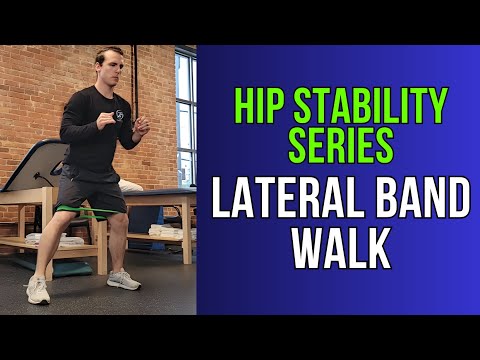
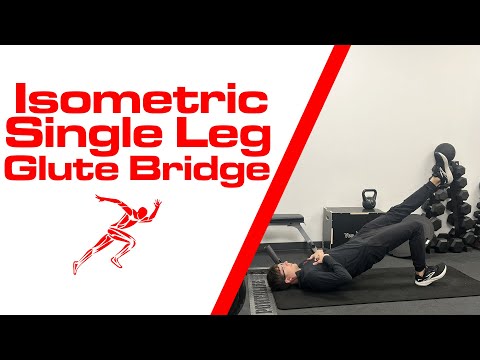
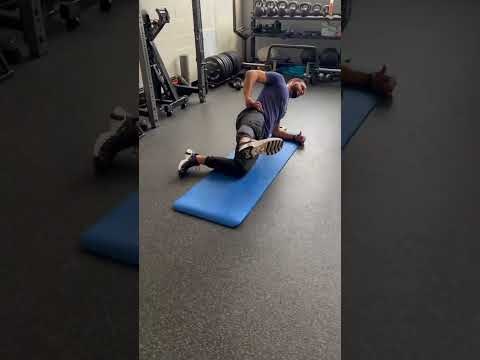
Weeks 3–6. Now you load the glutes properly, because glute strength is what keeps the femur centered in the socket. Some muscle fatigue is fine here. Sharp groin pinching is not. Move on when you can do these without compensating.
 Watch demo
 Watch demo
 Watch demo
 Watch demo
 Watch demo
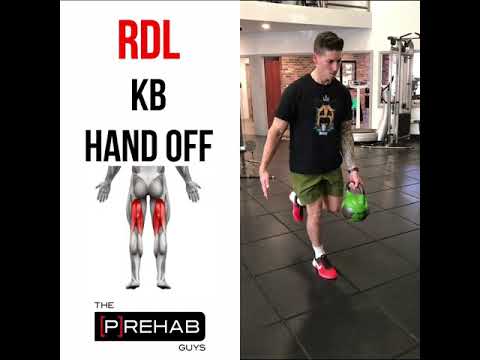
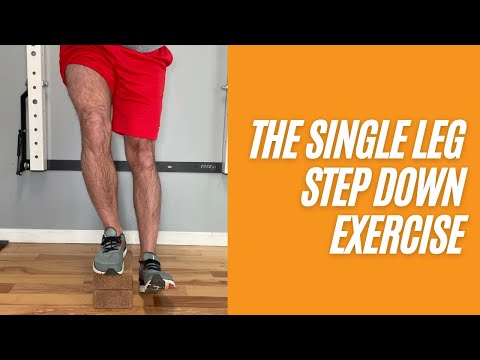
Weeks 6–12. This is where people usually stop too early and where the result actually gets locked in. If you want to run, lift, ski or play again, this phase is the bridge. Add one thing at a time and give it a week. Before returning to a pivoting sport, the bar most clinicians use is simple: you can do these on the injured side as well as the other one, you can hop and land without groin pain, and a full session leaves you no worse the next morning. Getting back to sport is normal after a labral tear — rushing the last phase is what turns it into a recurring problem.
 Watch demo
 Watch demo
 Watch demo
Why Yours
Is Irritated
A labrum gets irritated for three fairly different reasons. They overlap, but one of them is usually the main story, and it changes what to expect and what to consider next. Most people can place themselves without any imaging at all.
- Your report gives an alpha angle over about 55 degrees, or mentions cam or pincer morphology
- It built up over months with no single injury you can point to
- Worst in deep flexion sports — hockey, soccer, dance, martial arts, deep squatting
- The other hip has quietly started doing the same thing
- You can name the moment it started
- Sharp groin pain immediately, sometimes with a pop
- Clicking, catching or a feeling of instability that began at that point and has not settled
- It has not steadily improved over six to eight weeks
- No injury, just a gradual build over months or years
- Morning stiffness and stiffness after sitting, not only pain with movement
- Range of motion is reduced in the hip generally, not just in one provocative position
- The report also mentions cartilage wear, joint space narrowing or arthritis
Paths one and two are labral problems, and the sections below apply fairly directly. Path three is usually a hip osteoarthritis problem that happens to contain a labral fissure, and that is a different, better-understood road — with better evidence behind it. If that is you, read the next two boxes carefully.
The randomized trial that supports labral repair enrolled patients with limited osteoarthritis. Once there is meaningful arthritis in the joint, the results change: older age and more advanced arthritis both predict worse outcomes after hip arthroscopy, and a higher chance of going on to a hip replacement anyway. Reported conversion rates to total hip replacement after arthroscopy run around 18% in patients over 40, 23% over 50 and 25% over 60.
That is not an argument against surgery. It is an argument for finding out what your joint surface looks like before treating the labral tear as the headline. If there is real arthritis, you are dealing with a hip osteoarthritis problem that happens to have a labral fissure in it — and that is a different, better-understood road.
Exercise is the best-evidenced treatment there is for hip osteoarthritis, and the numbers are not small. Pooled data from a structured education-and-exercise program across more than 28,000 patients with hip and knee arthritis found 26 to 33 percent reductions in pain, along with measurable gains in walking speed and getting out of a chair — and it delays joint replacement.
The program on this page is already most of the way there. The glute, adductor and single-leg work is the same work whichever path you are on. What changes for an older or more arthritic hip is the pacing: expect three to six months rather than two to three, accept that some days are simply better than others, and judge progress by what you can do over a month rather than how it felt this morning. Younger hips with impingement shape or a traumatic tear usually move through the phases faster, closer to the two to three month mark.
Do This,
Not That
Labral tears have a specific list of things that make them worse, and most of them are things people do believing they are helping.
Where Chiropractic
Actually Fits
Worth being straight about this, because it is easy to oversell. No adjustment repairs a labrum. What hands-on care can do is make the hip easier to load, and the loading is what changes the outcome.
The best-supported role is opening a window rather than fixing the joint. Mobilising the hip joint produces a measurable, immediate increase in how much force the gluteal muscles can produce — small trials have recorded jumps of roughly 14 percent in glute max and 17 percent in glute medius strength within minutes. Those studies were run in people without symptoms and measured the same session, so read it as a short window rather than a lasting change. That is not the cartilage changing. It is a painful or stiff joint reflexively switching muscles down, and treatment taking the brake off. Which is only useful if you then train in that window.
Why the low back is part of a hip problem
The hip and the lumbar spine share load, share nerve supply and largely share the same muscles. A stiff, irritable low back changes how the pelvis sits over the hip, and low back pain measurably reduces gluteal activation. Treating one and ignoring the other is a common reason a hip program stalls. In practice that means checking the lumbar facets, the sacroiliac joints and the thoracolumbar junction as part of a hip complaint, not as a separate visit.
Hands-on care earns its place as the thing that makes the loading program possible and keeps it progressing — not as a treatment that fixes the joint on its own. If you are told a course of adjustments will heal a labral tear, that is not supported. If you are told treatment will settle the hip and the low back down so you can do the work that actually changes it, that matches what the evidence shows.
Signs You Should
Get It Looked At
Most hips settle with loading. These are the situations that deserve an exam, imaging or a surgical opinion rather than another month of exercises.
Labral Tear
Questions
The tear itself usually does not close over, because only the outer third of the labrum has a blood supply. That sounds worse than it is. Symptoms improve for a great many people without the tear changing at all, because what makes a labral tear painful is usually how the joint is being loaded and controlled rather than the presence of the tear. Torn labrums are found in roughly four out of ten pain-free people in their twenties and about two thirds by the late thirties, which tells you the tear and the pain are separate questions.
Plan on two to three months of consistent work, not two weeks. The first phase often quiets things down within a couple of weeks, but the change that lasts comes from strength, and strength genuinely takes six to twelve weeks to develop. If nothing at all has shifted after twelve honest weeks, that is the point to get reassessed rather than to keep repeating the same program.
Not automatically, and usually not first. A 2024 randomized trial in patients over 40 found arthroscopic repair plus rehab outperformed rehab alone at two years, so surgery is a legitimate option. But the same trial found that trying rehab first did not compromise later surgical results and allowed some people to skip surgery, and a meta-analysis found the advantage of surgery was clear at eight to twelve months but no longer statistically meaningful by twenty-four. Starting with two to three months of proper loading costs you very little and can save you an operation.
Yes, in two ways. First, after about forty most labral findings on MRI are degenerative fissures rather than a discrete tear, so the more useful question becomes how much wear is on the joint surface underneath. Second, the trial supporting labral repair enrolled patients with limited osteoarthritis, and once there is meaningful arthritis the results get worse — older age and more advanced arthritis both predict poorer outcomes after hip arthroscopy and a higher chance of going on to a hip replacement regardless. The encouraging part is that exercise is the best-evidenced treatment for hip osteoarthritis there is, with pooled data across more than 28,000 patients showing pain reductions of roughly a quarter to a third. The program on this page is largely that program. Give it three to six months rather than two to three, and judge it month to month.
Usually yes. Returning to pivoting and deep-flexion sports after a labral tear is normal, and the third phase of this program is the bridge that gets you there. The bar most clinicians use before releasing someone back is straightforward: you can do the single-leg work on the injured side as well as the other one, you can hop and land without groin pain, and a full training session leaves you no worse the next morning. The mistake that turns a labral tear into a recurring problem is skipping that last phase because the pain went away in week four. If your hip has impingement shape driving it, expect to keep some of the strength work permanently rather than treating it as a course you finish.
It is a measurement on hip imaging that describes the shape of the top of your femur. Above roughly 55 degrees suggests a cam-type bump, a form of femoroacetabular impingement, which repeatedly pinches the labrum during deep hip flexion and can keep re-irritating it. A labral tear in a hip with normal bony shape has one less thing working against it, and tends to respond better to strengthening alone. It is worth looking for this number on your report.
Not necessarily. Painless clicking and snapping around the hip is extremely common and is often a tendon moving over a bony prominence rather than anything to do with the labrum. What is more meaningful is clicking that is painful, or true locking where the joint catches and will not move until you wiggle it free. That second one is worth an assessment.
Carefully, and not into the pinch. The positions people instinctively stretch into for a sore hip — deep pigeon, forced figure-4, aggressive hip flexor stretching — drive the femur into the exact part of the socket that is irritated. A gentle figure-4 that feels like a stretch in the back pocket is fine. Anything that produces a sharp pinch in the front of the groin is making the problem worse, no matter how much it feels like it needs stretching.
Often yes, once the hip is settled and you have built the strength to control it. Flat-ground walking is almost always safe from the start. Running and lifting are reintroduced in the third phase, one variable at a time, with depth and load kept below the point that provokes groin pain. The mistake is going back to deep squatting or hill running while the joint is still irritable.
No, though they can occur together and one can contribute to the other over time. The labrum is the cartilage rim around the rim of the socket; arthritis refers to the smooth surface cartilage inside the joint wearing down. Imaging that shows significant arthritis alongside a labral tear changes the conversation, including how likely surgery is to help, which is one reason the report is worth going through properly with someone.
It can help with the parts around the tear, which is usually where the symptoms are coming from. That means restoring motion in the joints above and below, treating the hip flexors, adductors and glutes with soft tissue work, and above all building and progressing the loading program on this page. What no manual treatment can do is repair the cartilage rim. Anyone claiming otherwise is overselling. The value is in identifying whether the labrum is actually the pain source and then loading the hip properly.
A Tear On The Report
Is Not A Sentence
Plenty of people with a torn labrum get back to running, lifting and sitting through a flight without pain. Getting there starts with working out whether the labrum is actually what hurts, and what your hip needs loaded. That is what a first visit is for. Evening and Sunday appointments available.